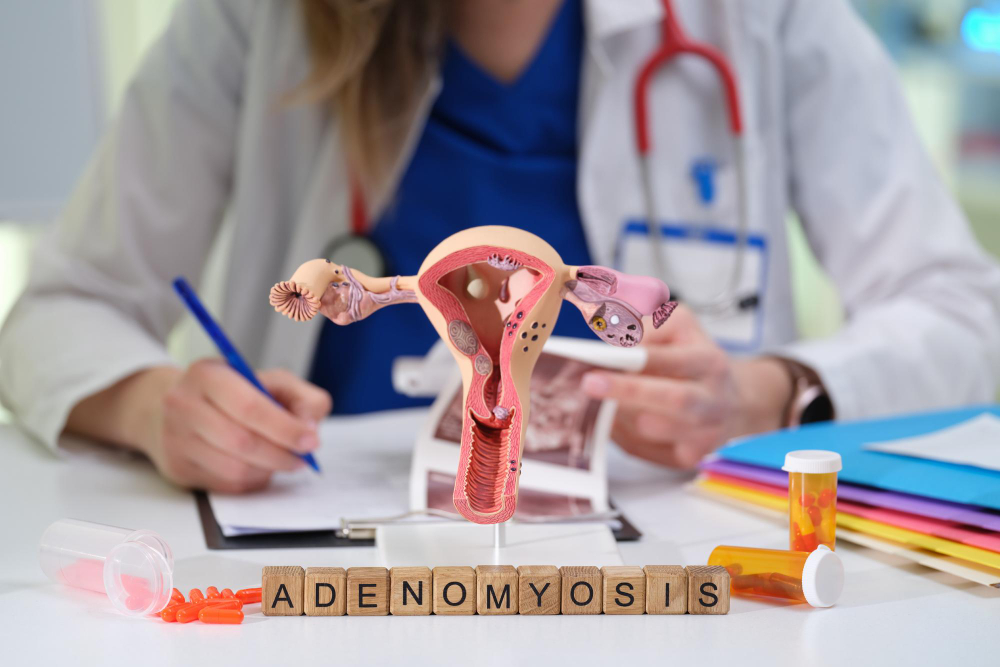
What is Adenomyosis?
Adenomyosis is a condition that affects the uterus. In this condition, the tissue that normally lines the inside of the uterus grows into its muscle wall. As a result, the uterus may become larger and cause pain. Many women with adenomyosis experience heavy periods and cramps. Although it is not life-threatening, it can affect daily life. For many, understanding adenomyosis is the first step to managing it well.
Common Symptoms of Adenomyosis
Symptoms of adenomyosis can vary. Some women have mild symptoms, while others may have severe discomfort. However, not everyone with adenomyosis will notice problems. Common signs include:
Sometimes, symptoms can be similar to other conditions. Therefore, it is important to talk to a doctor if you notice these changes.
Causes and Risk Factors
The exact cause of adenomyosis is not clear. Still, experts believe several factors may play a role. For example, changes in hormones like estrogen can affect the uterus. In addition, past surgeries such as a C-section may increase risk. Other possible risk factors include:
Although anyone with a uterus can get adenomyosis, these factors may make it more likely.
How is Adenomyosis Diagnosed?
Doctors use several methods to diagnose adenomyosis. First, they will ask about your symptoms and medical history. Next, a physical exam may help check for an enlarged uterus. However, imaging tests are often needed. Common tests include:
Sometimes, adenomyosis is only confirmed after surgery or a hysterectomy. Still, most cases are diagnosed with non-invasive tests. If you wonder how is adenomyosis diagnosed, these are the main steps.
Treatment Options for Adenomyosis
Treatment for adenomyosis depends on your symptoms and plans for pregnancy. Some women need only mild relief, while others may need more help. Common adenomyosis treatment options include:
Because each person is different, your doctor will help choose the best treatment for you.
Lifestyle Tips and Self-Care
Living with adenomyosis can be challenging. However, some lifestyle changes may help manage symptoms. For example, you can:
Although these steps may not cure adenomyosis, they can improve your comfort and well-being.
Preventive Measures
Currently, there is no sure way to prevent adenomyosis. Still, regular check-ups can help catch problems early. In addition, maintaining a healthy lifestyle may support your overall reproductive health. If you have risk factors, talk to your doctor about ways to lower your risk. Early action can make a difference.
When to See a Doctor
If you have heavy periods, severe cramps, or pelvic pain, it is important to seek medical advice. Also, if your symptoms affect your daily life or do not improve with home care, see a gynecologist. Early diagnosis and treatment can help you feel better and prevent complications. Remember, you do not have to manage adenomyosis alone.
For personalized advice on adenomyosis, consult a gynecologist. They can help you find the best care for your needs.