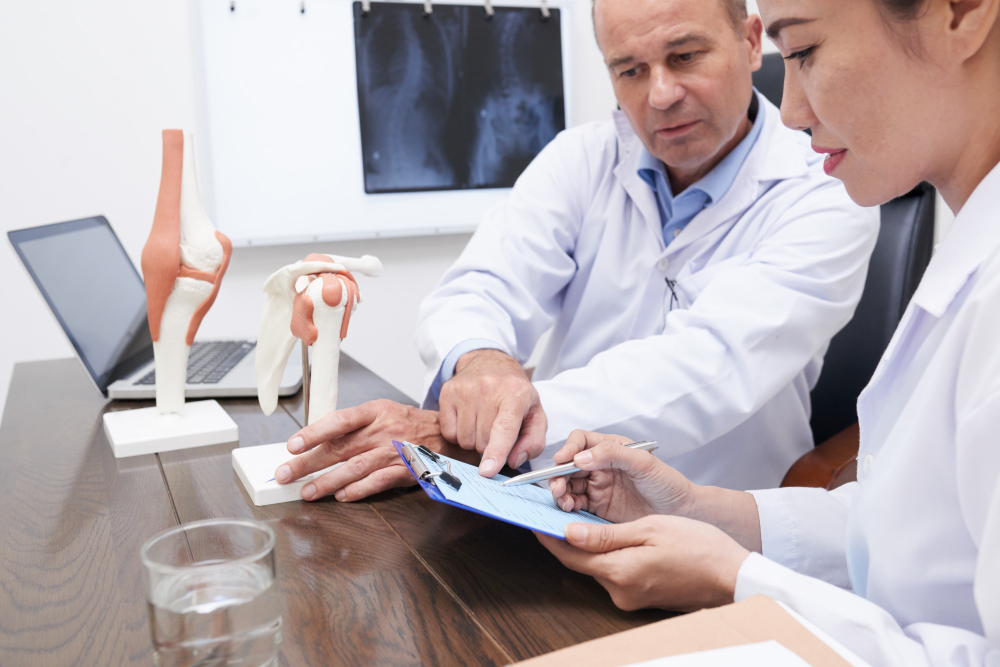
Introduction to Cartilage Transplantation
Cartilage transplantation is a medical procedure that helps repair damaged cartilage in the body. Cartilage is a smooth tissue that covers the ends of bones in joints. It allows bones to move easily and protects them from rubbing together. When cartilage gets damaged, it can cause pain and limit movement. For many people, cartilage repair procedures offer hope for better joint health. In this blog, you will learn about cartilage transplantation, its benefits, and what to expect during recovery.
Symptoms and Conditions Leading to Cartilage Transplantation
Many people wonder when cartilage transplantation is needed. Usually, doctors suggest this procedure if you have:
Often, these symptoms are signs of cartilage damage. Sometimes, people with sports injuries or certain medical conditions may need cartilage repair procedures.
Causes of Cartilage Damage
Cartilage damage can happen for many reasons. For example, injuries from falls or accidents can harm cartilage. In addition, repeated stress from sports or heavy work can wear down cartilage over time. Some people may have cartilage problems due to aging or certain diseases. Because cartilage does not heal easily, damage can get worse if left untreated.
Diagnosis and Evaluation Process
Doctors use several steps to find out if you need cartilage transplantation. First, they ask about your symptoms and medical history. Next, they examine your joints to check for pain or swelling. Often, doctors use imaging tests like X-rays or MRI scans to see the cartilage. Sometimes, they may use a small camera called an arthroscope to look inside the joint. These steps help doctors decide if cartilage repair procedures are right for you.
Cartilage Transplantation Procedure
Cartilage transplantation is a surgery that replaces damaged cartilage with healthy tissue. There are different types of cartilage repair procedures. For example, doctors may use your own cartilage or tissue from a donor. The main steps include:
Most surgeries are done using small cuts and special tools. Because of this, recovery is often faster and less painful.
Recovery and Aftercare
After cartilage transplantation, recovery is important for success. Usually, you will need to rest the joint and avoid heavy activities. Physical therapy helps you regain strength and movement. In many cases, doctors suggest using crutches or a brace for a few weeks. Recovery time can vary, but most people start to feel better within a few months. For best results, follow your doctor’s advice and attend all follow-up visits.
Benefits and Risks
Cartilage transplantation offers many benefits. For instance, it can reduce pain and improve joint movement. Many people return to normal activities after recovery. Some benefits of cartilage transplantation include:
However, like all surgeries, there are some risks. These may include infection, swelling, or problems with the new tissue. Although these risks are rare, it is important to discuss them with your doctor.
Prevention and Lifestyle Tips
While not all cartilage damage can be prevented, you can take steps to protect your joints. For example:
By following these tips, you can lower your risk of cartilage problems.
Frequently Asked Questions
Consult a specialist for personalized guidance on cartilage transplantation.