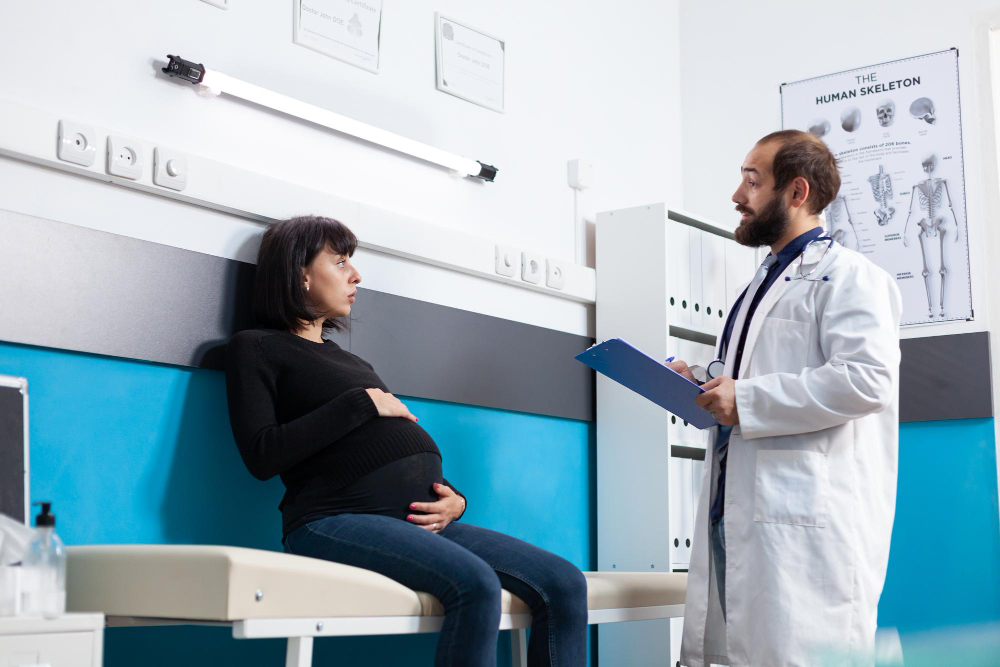
Introduction to Pregnancy Complications
Pregnancy is a special time, but sometimes, complications can occur. Knowing about pregnancy complications can help you stay safe. Early awareness lets you act quickly if problems arise. This guide explains pregnancy complications, symptoms, and how to manage pregnancy risks. Understanding these issues can help protect both you and your baby.
Common Symptoms and Warning Signs
It is important to watch for warning signs during pregnancy. Some symptoms may seem mild, but they can signal a problem. If you notice any of these, contact your doctor right away:
Sometimes, mild symptoms can become serious. Therefore, always tell your healthcare provider about any changes.
Major Causes and Risk Factors
Many things can cause pregnancy complications. Some women have higher risks than others. Common causes and risk factors include:
Because some risks can be managed, talk to your doctor about your health before and during pregnancy.
Diagnosis and When to Seek Medical Help
Doctors use tests and checkups to find pregnancy complications early. Regular prenatal visits are very important. During these visits, your doctor may:
If you notice any warning signs during pregnancy, seek medical help right away. Early diagnosis can prevent serious problems. Never wait if you feel something is wrong.
Treatment Options and Management Strategies
Treatment depends on the type of complication. Your doctor may suggest:
Sometimes, early delivery may be safest for you and your baby. However, your doctor will explain all options and help you decide what is best.
Lifestyle Guidance and Self-Care Tips
Good self-care can lower your risk of pregnancy complications. Here are some tips to help you stay healthy:
Additionally, always keep your prenatal appointments. These visits help your doctor catch problems early.
Prevention and Early Detection
While not all pregnancy complications can be prevented, you can lower your risk. To do this, follow these steps:
Early detection and quick action can make a big difference for you and your baby.
Conclusion
Pregnancy complications can be serious, but early action helps keep you and your baby safe. If you notice any concerning symptoms during pregnancy, consult a healthcare provider for personalized advice.